

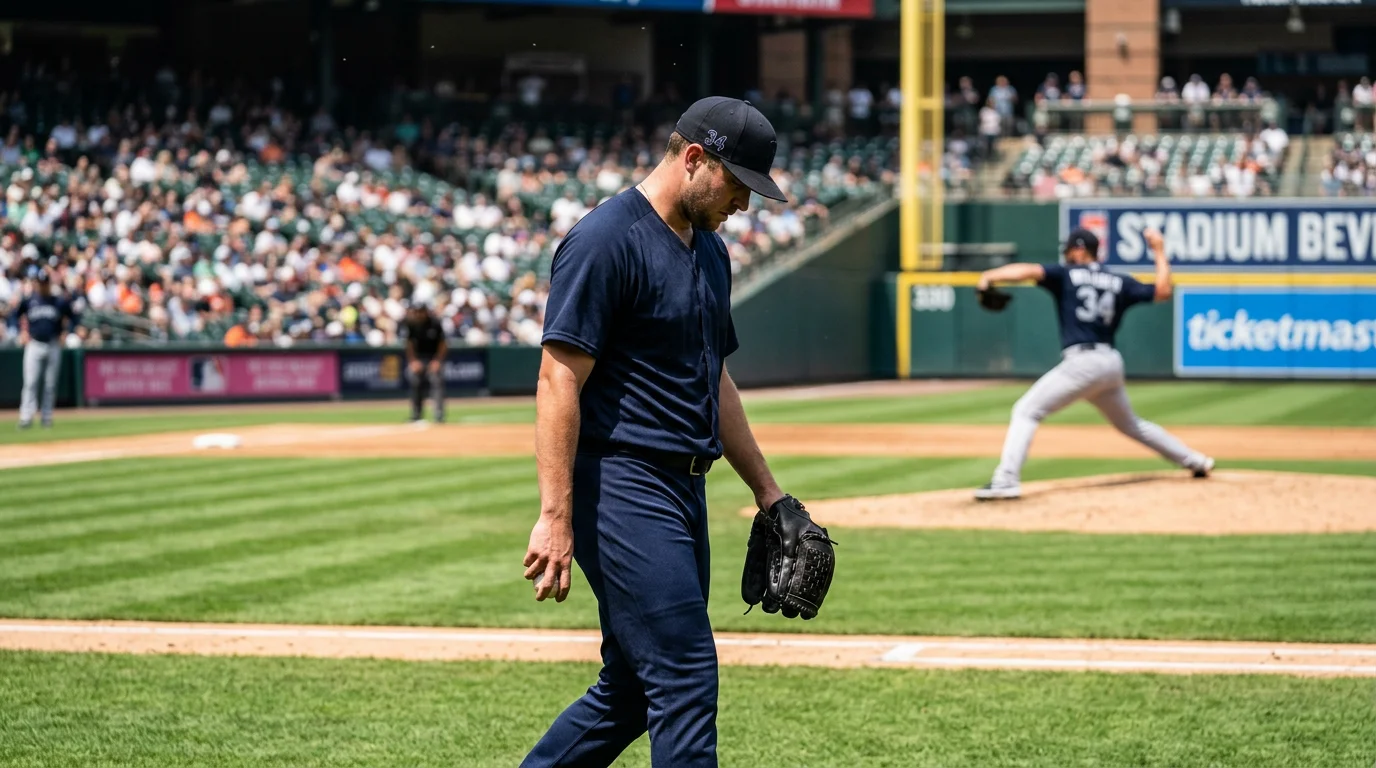
I lost a four-figure sum on a single bet in 2017 because I did not understand the difference between an action wager and a listed-pitcher wager, and the experience taught me more about UK bookmaker rules than any rulebook I have read since. The Yankees opener I had backed at -120 saw their starter scratched 90 minutes before first pitch with a stiff back, the bullpen game that replaced him got destroyed, and my bet settled as a loss because I had taken the price as “action” rather than specifying listed pitcher. Andrew Rhodes of the Gambling Commission has stressed that sound operator practice is the foundation of UK punter protection, and the action versus listed-pitcher distinction is exactly the kind of foundational rule a UK MLB bettor needs to understand before placing a single wager.
The distinction is simple in concept and unforgiving in application. Whether your moneyline bet survives a late scratch depends entirely on which version of the rule applies to your slip. This guide walks through the mechanics, the protection each version offers, the real-world cases where it matters most, and the operator-by-operator defaults that determine which one you are quietly accepting every time you click confirm.
What Action Bet Means
An “action” bet, sometimes called an “action regardless” wager, is a baseball moneyline bet that stands regardless of which pitchers actually start the game. If you back the Dodgers at -150 as an action bet, the wager settles based on who wins the game, full stop. If the listed Dodgers starter is scratched 30 minutes before first pitch and replaced by a long reliever, your bet remains live at the original odds. The bookmaker may or may not adjust the price downward to reflect the new pitching matchup before you placed it; once placed, an action bet is locked.
The historical justification for action betting is bookmaker simplicity. Before instant lineup updates were available, traders preferred a single market that did not have to be voided every time a starter changed his mind about pitching through a blister. Action betting also produces higher hold for the bookmaker on average, because punters who would have voided into a refund instead settle a bet under altered conditions that often work against them.
From the punter side, action betting has one practical advantage: the bet always settles, which matters for parlay legs. A single voided leg in a five-leg parlay can transform a winning ticket into a smaller payout, sometimes shrinking the parlay enough that the punter would rather have lost the leg outright. Action settlement removes that ambiguity. The cost of that certainty is exposure to late scratches, which the bookmaker prices into the odds whether you notice it or not.
What Listed Pitcher Protects
A “listed pitcher” bet is the opposite end of the spectrum. The wager specifies that both starting pitchers must be the listed names on the bet slip when first pitch is thrown. If either pitcher fails to take the mound – for any reason: injury, illness, family emergency, weather rescheduling – the bet is voided and the stake refunded. The protection is total and operates independently of which pitcher was scratched, which side you backed and how the game ultimately resolved.
The mechanics produce some interesting corner cases. If the listed pitcher throws one pitch and is then removed, the bet stands as a normal moneyline because both pitchers technically did start. If a pitcher warms up but is pulled before throwing his first pitch, the bet voids. If both pitchers are scratched, the bet voids regardless. If a rain delay pushes first pitch past the original date and the bookmaker reschedules the bet to the rescheduled game, the listed-pitcher protection typically transfers to whoever starts the rescheduled game, which can occasionally produce favourable scenarios where a stronger pitcher than originally listed actually starts.
The trade-off for listed-pitcher protection is price. Listed-pitcher moneylines are typically priced 5-10 cents worse than action equivalents, because the bookmaker is absorbing the late-scratch refund risk. For most stake-modelled approaches that price difference is genuinely worth paying, particularly in the early-season period when scratches happen at higher rates and in September when teams shut down rotation arms for playoff preparation.
The protection also matters for how you think about parlay construction. A listed-pitcher parlay leg that voids drops out of the parlay calculation cleanly, with the remaining legs settling as a smaller parlay rather than as a pure loss. That mechanical clarity is genuinely valuable when you are building multi-leg tickets across an MLB slate.
Late Scratch Real-World Examples
Late scratches happen more often than recreational punters expect. Across a 162-game MLB season I track roughly 60-70 starter scratches per team, of which 8-12 occur within three hours of first pitch. Pitching staffs are rotated, blisters develop, illness spreads through clubhouses in March and September, and the average MLB game length of 2 hours 38 minutes in 2025 means a Sunday afternoon scratch can affect a Sunday-evening parlay that the punter built before lunch.
The cleanest example I have in my own records came in May 2023. A friend backed an action wager on the visiting team at -135 with a clear pitching-matchup edge. The home starter was scratched at 4pm with a sore elbow, replaced by a bullpen game using four relievers across nine innings. The bet settled as a -135 action loss when the bullpen game won 4-3. A listed-pitcher version of the same bet would have voided, refunded the stake, and the punter would have moved on without damage.
The opposite case is also instructive. In September 2024, a high-rolling club bettor backed a small-market team at +180 listed pitcher because the matchup edge depended on the specific opposing starter being on the mound. That starter was scratched at 5pm; the replacement was a fringe-roster reliever who had a worse run-prevention profile. The listed-pitcher voided, the stake refunded, and the club bettor was protected from the fact that his original edge had evaporated.
Which UK Operators Default to Which
UK bookmaker defaults are not standardised, and the difference between operators is consequential enough to check before placing your first MLB bet of the season. Bet365 generally defaults MLB moneylines to listed-pitcher protection, with action available as an alternative selection. William Hill defaults to listed pitcher on most MLB markets. Paddy Power’s defaults have moved between action and listed in recent seasons; the current MLB book lists them as listed pitcher unless the bet slip indicates otherwise. Ladbrokes and Coral default to action betting on MLB moneylines, with listed-pitcher selection requiring a separate market choice.
The Betfair Exchange treats every market as listed pitcher by default, which is one of the structural reasons exchange MLB pricing is reliably tighter than sportsbook pricing – the late-scratch refund risk is symmetrically borne by both sides of every matched bet. UK operators with strong overall settlement performance (UKGC data places 96.3% of withdrawals at automatic processing across the licensed market) tend to be the ones with cleaner action-versus-listed defaults, but the relationship is not perfect and case-by-case checking is worth the minute it takes.
The full operator-by-operator coverage notes for the major UK MLB books detail the defaults alongside the rest of the market structure, and that cross-reference is the most efficient way to confirm which version of the rule applies before you commit.
Decision Rule of Thumb
The simple rule I apply to every MLB bet is: if my edge depends on the pitching matchup, I take listed pitcher, full stop, accepting the 5-10 cent worse price. If my edge depends on overall team strength regardless of who pitches, I take action and pocket the better price. Run-line bets driven by lineup analysis often fall into the second category; moneylines built on starter-versus-lineup analysis almost always fall into the first.
Will my UK bookmaker default an MLB moneyline bet to action or listed?
What happens to my run-line bet if both starting pitchers are scratched?
Material created by the team StitchLine